
Our History
A Catholic Presence Takes Root
The story of Holy Rosary begins long before the parish itself was established. Catholicism in Warren County can be traced to the early settlers of the region and to the missionary priests who traveled throughout Missouri bringing the sacraments to scattered Catholic families.
Bishop Louis William Valentine Du Bourg, who arrived in St. Louis in 1818, played an important role in strengthening the Catholic Church throughout the Missouri Territory. Through his efforts, Jesuit missionaries came to Missouri and began traveling throughout the region. By the 1830s, missionaries were serving Catholic families in Warren County and the surrounding communities.
As Warren County grew, so did its Catholic population. By 1865, there was a definite Catholic presence in the Warrenton and Truesdale area large enough to warrant regular visits from a priest. Jesuit Father John Schoensetters—later known as Father Setters—became the first Catholic priest assigned to minister to Catholics in the Truesdale/Warrenton area.
From these early missionary beginnings, the story of Holy Rosary Parish was about to begin.
Faith Passed from Generation to Generation
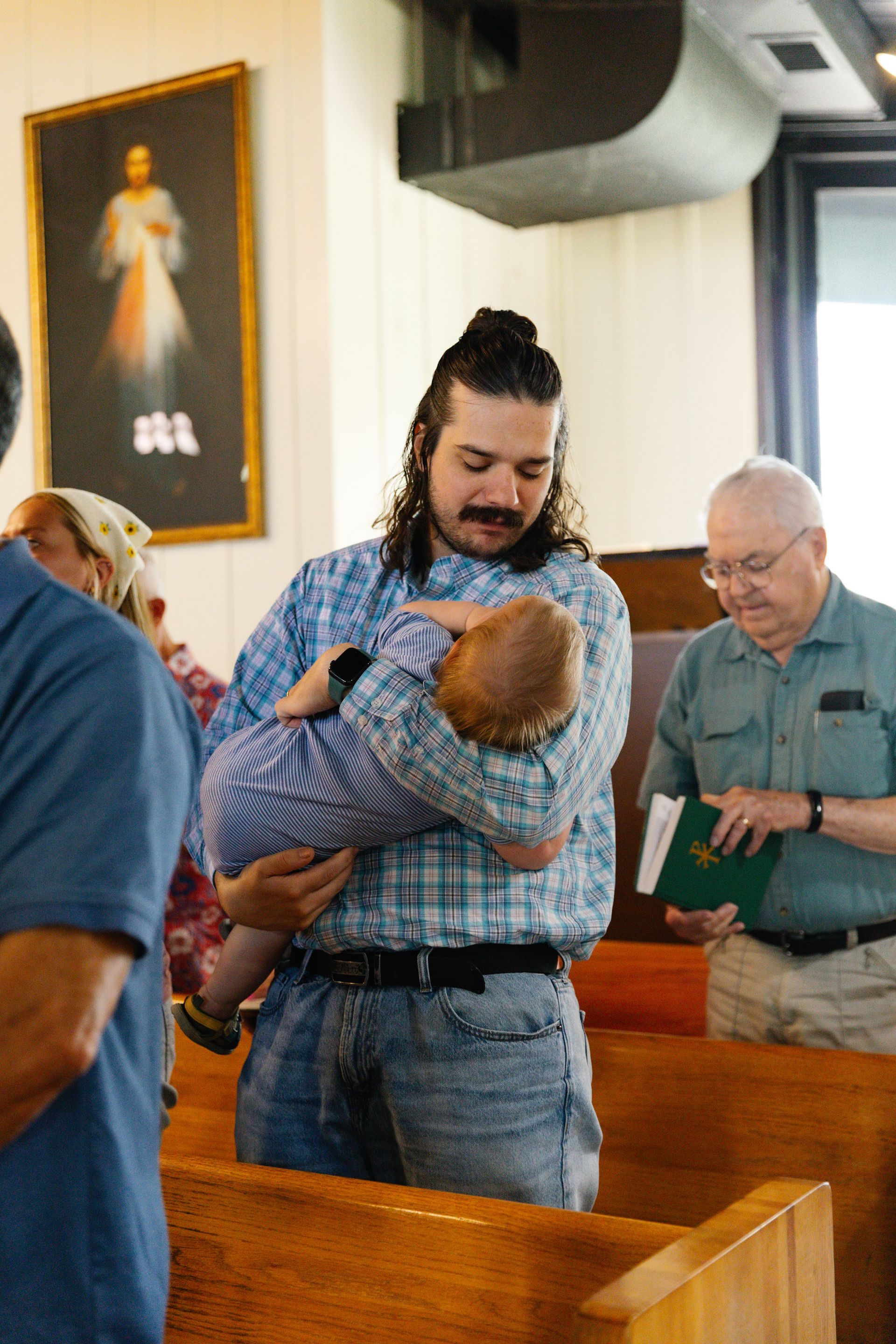
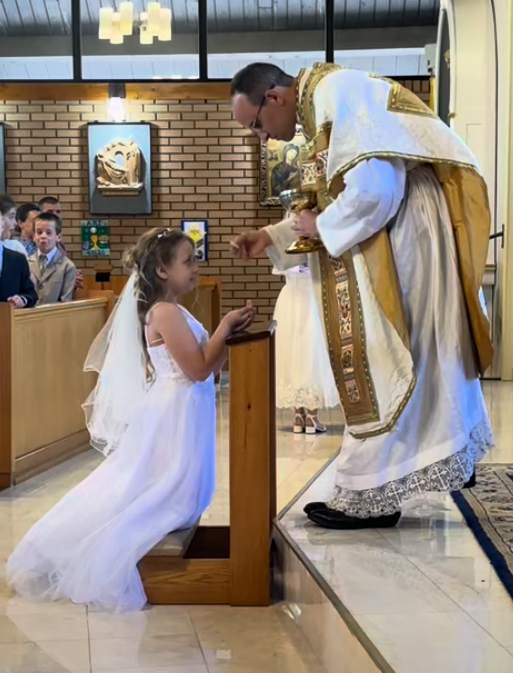
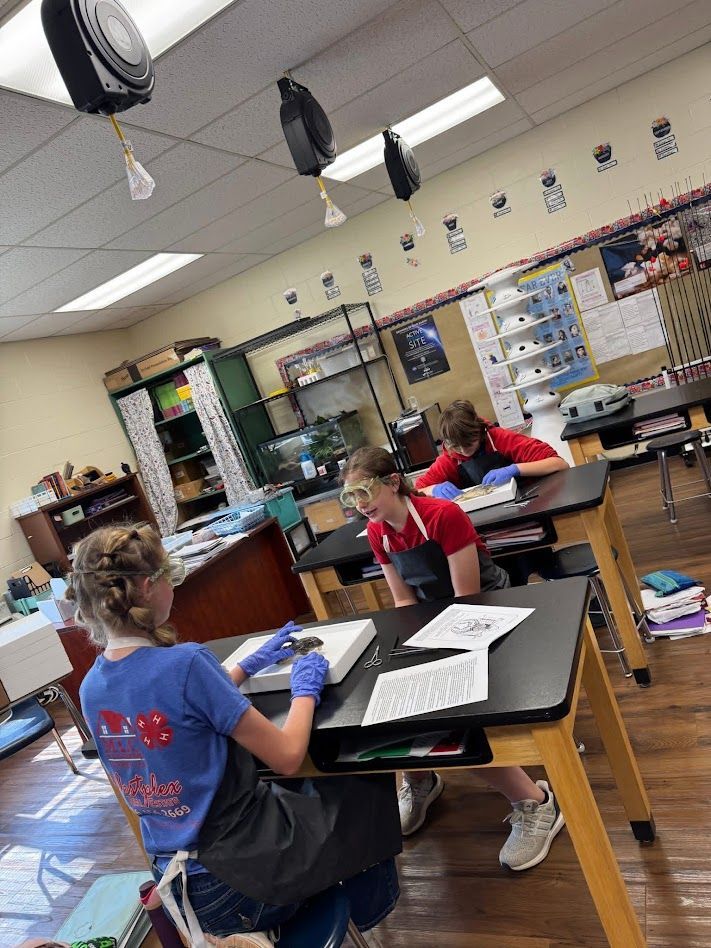
As Holy Rosary grew, parish life grew with it. Generations of parishioners have gathered to worship, learn, serve, and share the Catholic faith. Through Catholic education, faith formation, ministries, and service to others, the parish became more than a place to attend Mass, it became a community where faith could take root and be passed from one generation to the next.
Our Story Continues
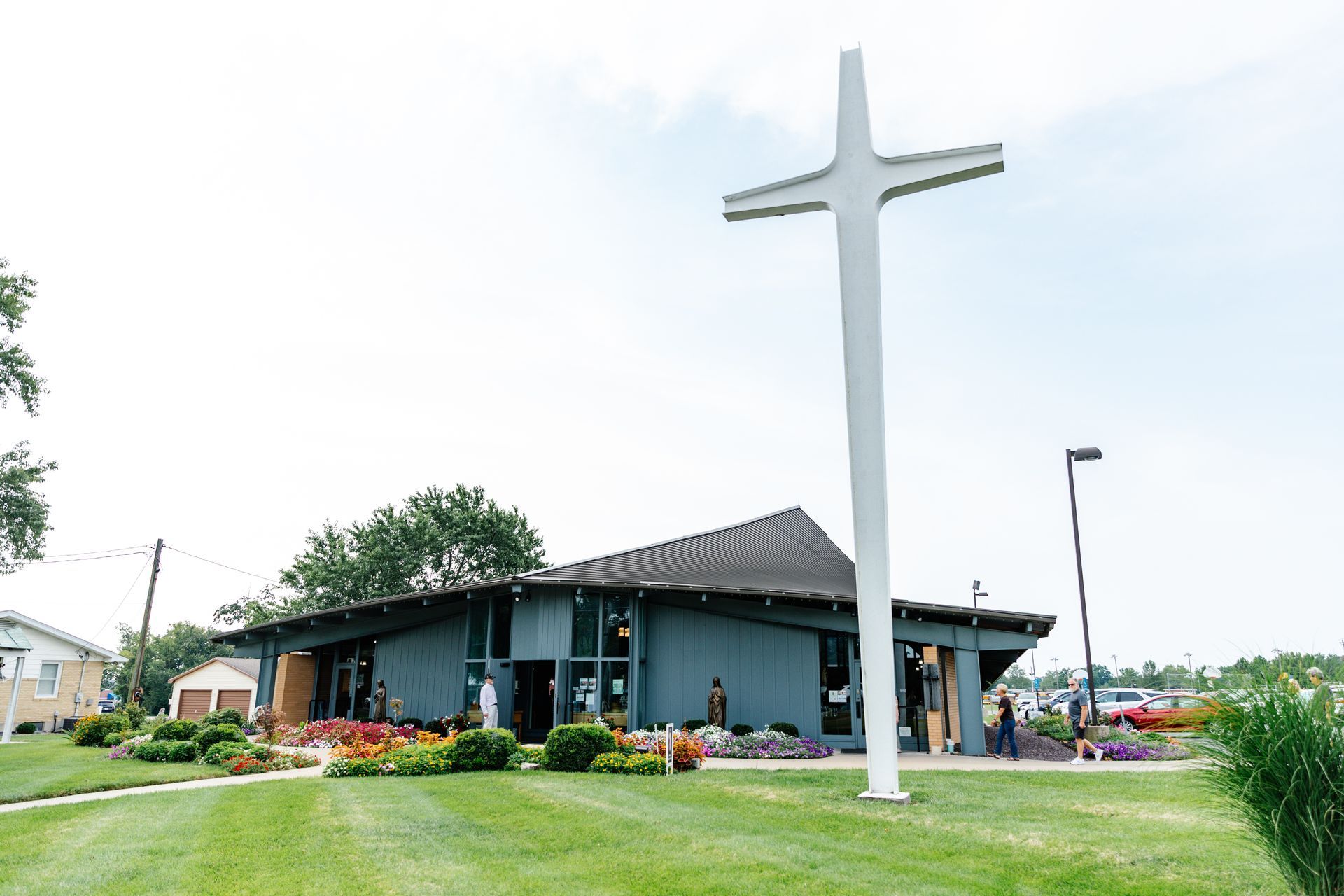
More than 160 years after its earliest beginnings, Holy Rosary continues to be a vibrant Catholic community centered on Christ. Today, parishioners of all ages come together to worship, grow in faith, serve others, build friendships, and carry the mission of the Church into our community. The buildings and generations may have changed, but the faith that brought those first Catholic families together continues to guide Holy Rosary today.
Our First Church
A Permanent Home in Truesdale
1865-1883
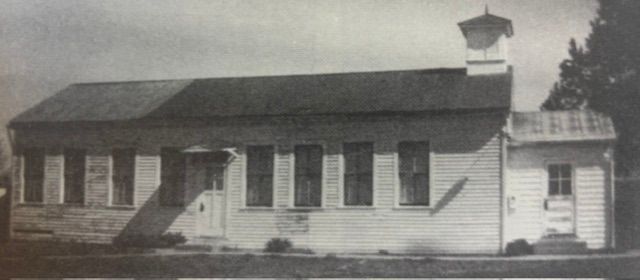
The first Holy Rosary Catholic Church was a simple frame structure built during the pastorate of Father Patrick O’Neill. The property in Truesdale was purchased by Archbishop Peter Richard Kenrick on July 27, 1865, for $100.
Located near the northwest corner of Pinkney and South Streets, the little church became the center of Catholic life for the growing community. Built in 1868, it served the parish for the next fifteen years.
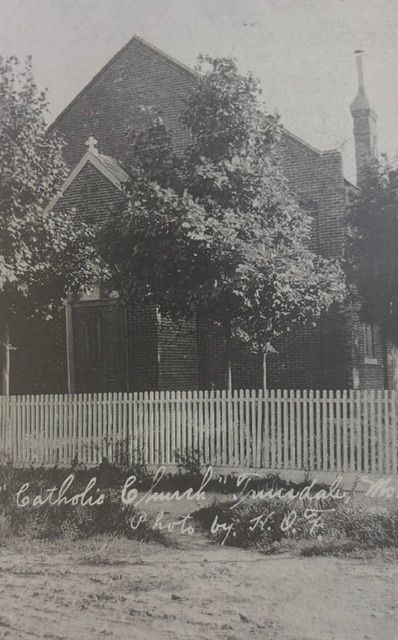
As the parish continued to grow, a larger church was built in 1883 and dedicated to St. Mary of the Rosary—the parish that would eventually come to be known simply as Holy Rosary.
The Parish Grows:
A New Church Rises
1883
By 1883, Holy Rosary had outgrown its first small frame church. A new and larger church was completed in Truesdale, giving the growing Catholic community a new home for worship.
With the new church complete, the original St. Patrick’s building was sold to the Truesdale School District on October 10, 1883, for $400. The proceeds from the sale helped defray the cost of the new church.
The former church continued serving the Truesdale community for generations—first as a school and later as a community center and Truesdale City Hall.
A Bell With a Story
A Link to Holy Rosary’s Earliest Days
Cast in 1853
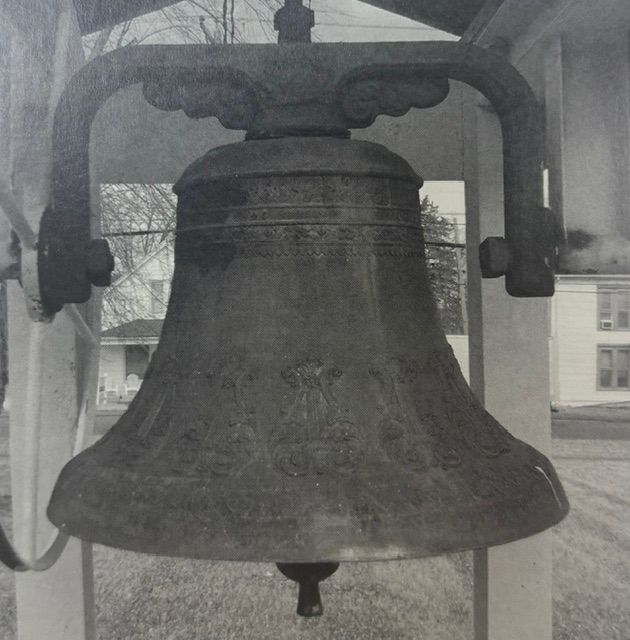
The bell that has long been part of Holy Rosary’s story was cast in Cincinnati, Ohio, by the Buckeye Bell Foundry. The inscription on the bell identifies its maker as C. W. Coffin & Co. and dates it to 1853—years before Holy Rosary’s first church was built.
Tradition holds that the bell was brought from Cincinnati to Washington, Missouri, and then hauled by wagon to Truesdale. Exactly when it arrived is unknown, but it was already here by 1882, when plans for the second church included a tower to house it.
The tower was never built because funds were not available, so the bell remained “on the ground” for decades. Plans for a bell tower surfaced again during Father John Thuohy’s pastorate, but his death in 1919 came before they could be completed.
The bell remained part of Holy Rosary’s history and today serves as a tangible connection to the parish’s earliest years.
A New Church for a New Era
The Third Holy Rosary Church
1920
Following the death of Father John Thuohy in 1919, Father Francis H. Dieckmann became pastor of Holy Rosary. The parish had long recognized the need for a larger church, and under Father Dieckmann’s leadership, those plans finally became a reality.
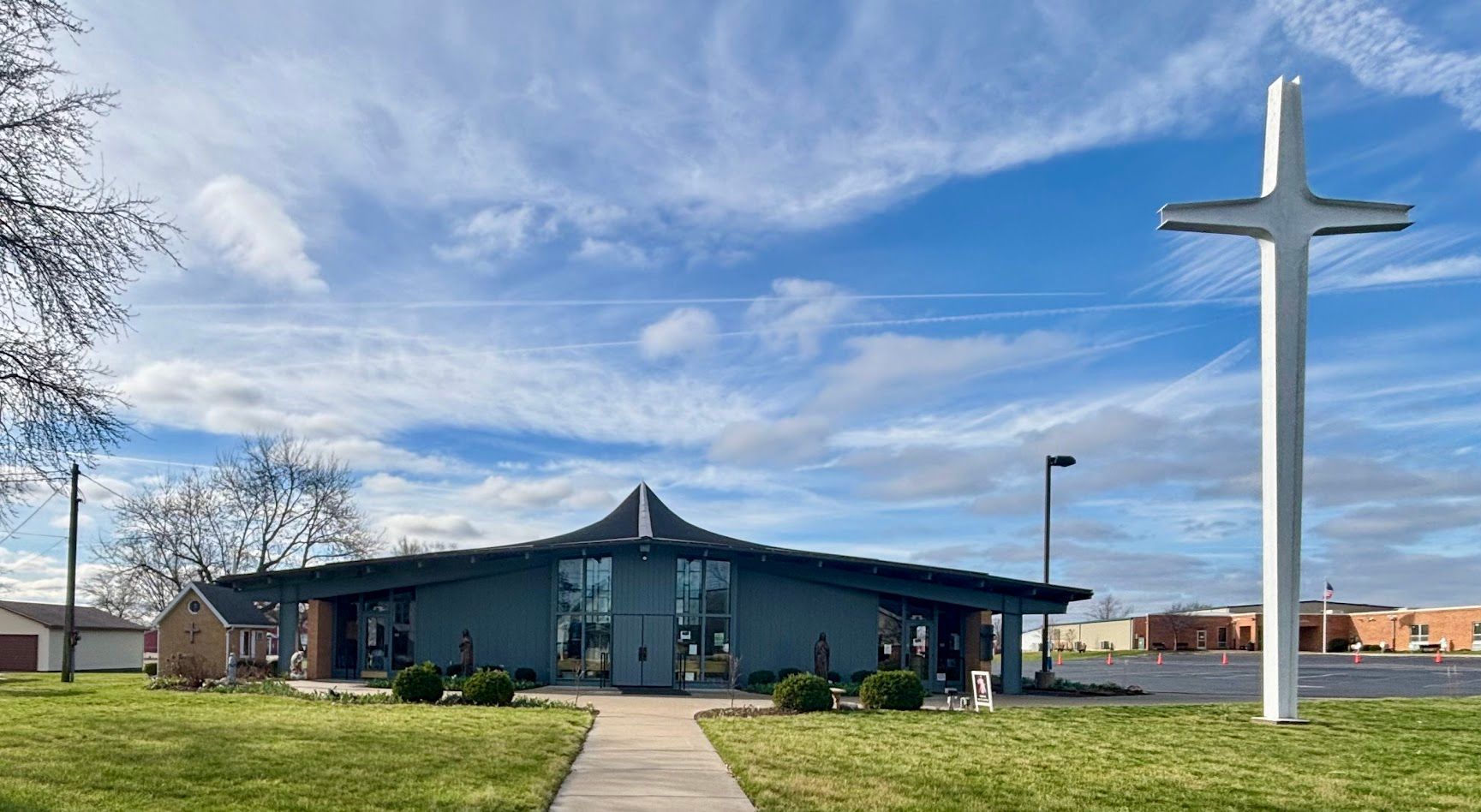
In 1920, the third Holy Rosary Catholic Church was built, beginning a new chapter for the parish. Father Dieckmann would go on to serve Holy Rosary for eight years, a period the parish history remembers as one of significant growth and improvement.
The church building has changed through the generations, but the faith community established by those early parishioners continues today. More than a century later, Holy Rosary remains a place where generations gather to worship, grow in faith, and build upon the legacy of those who came before them.
A Parish Takes Root
Faith, Family & Community Through the Generations
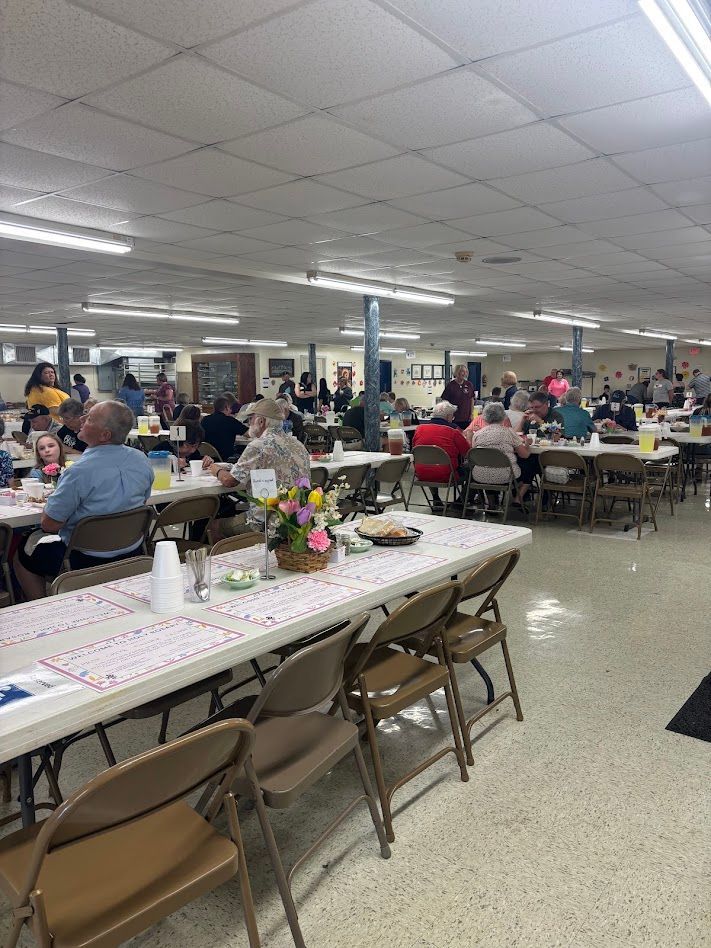
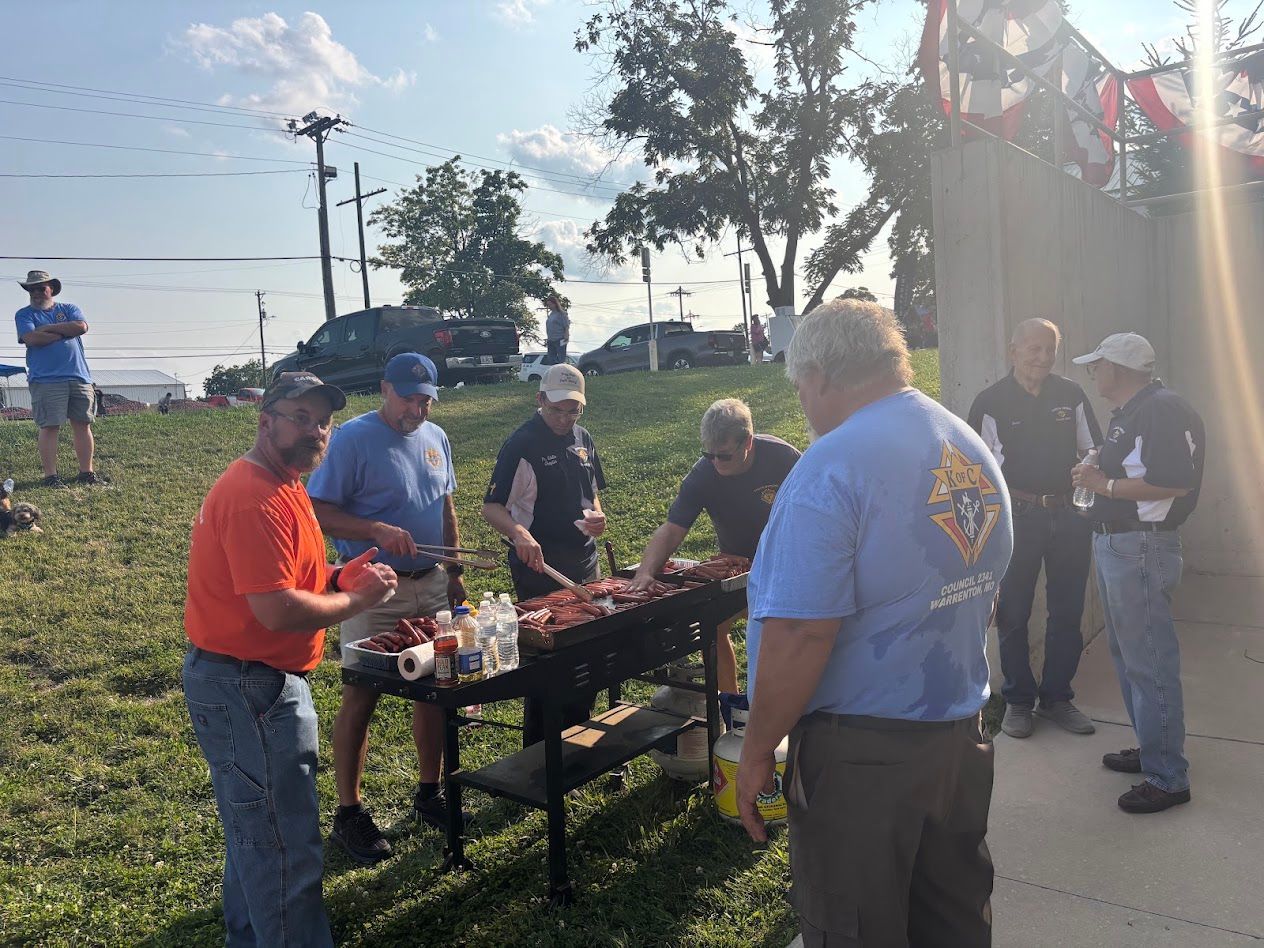
From a small Catholic community in Truesdale to the parish family we know today, generations of faithful parishioners have built a legacy that continues to grow.